Roobet Originals: Crash, Mines, Dice, Towers and house games
 Available in GB
Roobet maintains a distinct Originals or house-games range that includes Crash, Roulette, Mines, Dice and Towers. These are not simply extra slot titles from outside providers. They use compact, repeatable mechanics built around one visible decision loop: cash out, choose a tile, set a threshold, climb a sequence or pick an outcome. That makes them one of the clearest product differences between Roobet and a casino that only aggregates third-party games.
The important comparison is mechanical, not promotional. The Originals are grouped by how a round works and how quickly risk repeats; unsupported RTP, max-win and strategy claims are not used.
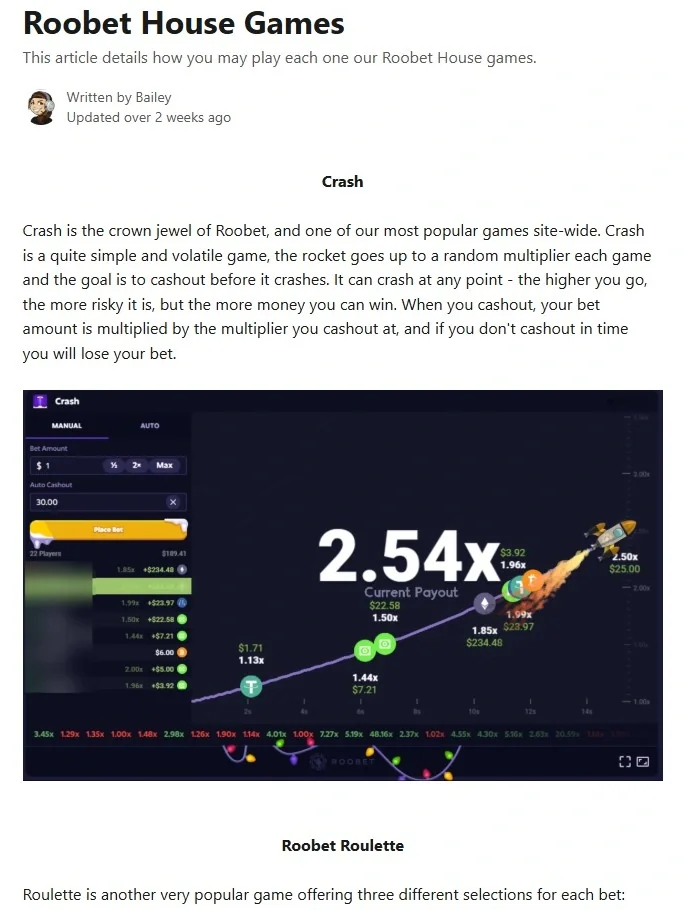
Table of Contents
- Why Originals are a separate part of the Roobet product
- Five mechanics explain most of the appeal
- Crash is about exit timing, not pattern reading
- Mines and Towers turn risk into a sequence of choices
- Dice is the cleanest example of adjustable risk
- House roulette is not the same proposition as live roulette
- Originals are built for short feedback loops
- Crypto funding and game mechanics are separate decisions
- A practical checklist for choosing an Original
- Who will actually get value from Roobet Originals
Why Originals are a separate part of the Roobet product
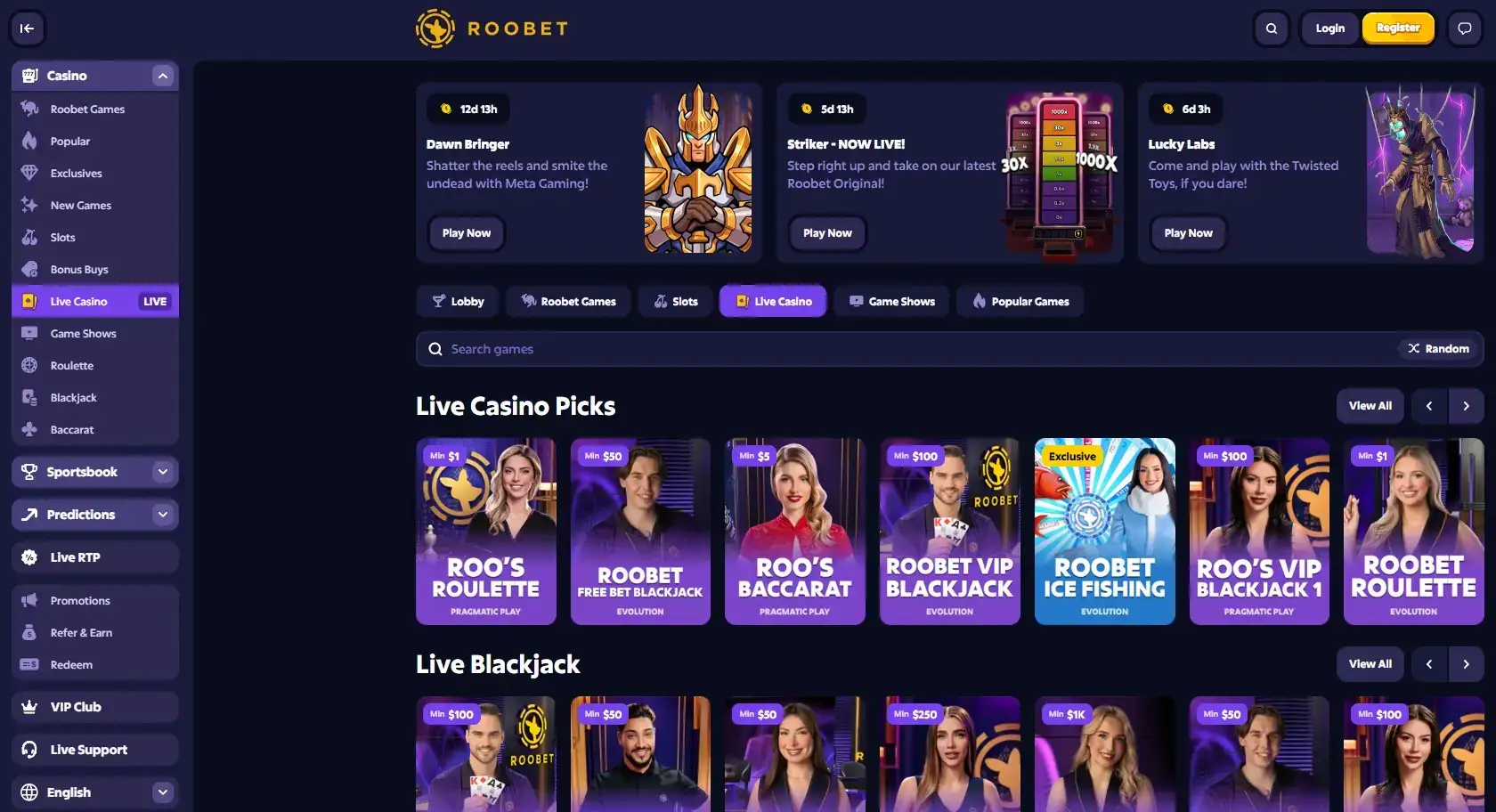
The main Roobet games combines third-party slots, live casino and house content. Originals deserve their own evaluation because the user experience is more direct and repetitive than browsing a conventional slot catalogue. The game loop is usually understandable within seconds, which can make the format feel simple even when the risk changes quickly.
That simplicity is the attraction and the warning. A short round removes a lot of visual clutter, but it also makes it easy to move from one wager to the next without a natural pause. The right way to compare Originals is therefore by decision structure and pace, not by which title has the loudest animation.
For a wider product view, the Roobet UK review places these games alongside payments, mobile use, bonuses and licensing context.
What counts as an Original here
The verified range includes house games such as Crash, Roulette, Mines, Dice and Towers. They are best understood as one mechanic family rather than as isolated titles.
Five mechanics explain most of the appeal
| House game | Core decision loop | Main session characteristic |
|---|---|---|
| Crash | Decide when to cash out before the rising multiplier ends. | Fast timing decisions and strong temptation to wait longer. |
| Mines | Select tiles and decide when to stop after safe picks. | Step-by-step risk that can feel controllable because each choice is visible. |
| Dice | Choose an above-or-below threshold and accept the matching risk. | Very compact rounds with little downtime between decisions. |
| Towers | Climb through levels while deciding whether to continue or cash out. | Sequential risk where each successful step invites another decision. |
| Roobet Roulette | Choose an outcome in a simplified house-game wheel format. | Quick repeated outcomes with a familiar roulette-style frame. |
Crash is about exit timing, not pattern reading
Roobet’s official house-games guide describes Crash around a rising multiplier and a cash-out decision before the round ends. That makes the interface easy to understand: the tension comes from deciding whether to exit now or keep waiting.
The important discipline is to avoid turning previous rounds into a prediction system. A sequence of early or late crashes does not create a reliable pattern for the next outcome. The visual history can make streaks feel meaningful, but it is not a reliable strategy signal.
Crash is best understood as a rapid risk-timing game. If you prefer a session with more pauses or a slower decision cadence, the format may feel too compressed even if the rules are simple.
Reader check
If the main appeal is “I can win back the last round by waiting longer”, the mechanic is already pushing you toward a poor session decision.
Mines and Towers turn risk into a sequence of choices
Mines and Towers feel different from Crash because the player interacts with a visible sequence. In Mines, each safe choice invites the decision to continue or stop. Towers uses a climb structure with the same broad tension: progress creates the option to take another step.
This can produce a stronger feeling of agency than a slot spin because you are making repeated selections. The important distinction is between control over the interface and control over the outcome. Choosing when to stop is a real decision. Predicting which hidden position will be safe is not made reliable simply because you selected it yourself.
For practical play, decide the maximum number of decision steps you are willing to take before the round starts. That is not a winning system. It is a session-control tool that prevents the game from repeatedly moving your stopping point after each successful choice.
Dice is the cleanest example of adjustable risk
The official Roobet guide describes Dice as an above-or-below game where the line can be moved to make the outcome easier or harder. That makes the trade-off visible: changing the threshold changes the balance between hit frequency and payout.
The useful lesson is not to search for a magic line. An adjustable probability control is still part of a gambling game, and selecting a different threshold does not remove the house advantage. Dice is attractive to readers who prefer a stripped-back probability decision over animated bonus features or a dealer-led table.
Because the interface is compact, rounds can repeat very quickly. That means a small per-round stake can still produce a large total amount wagered if the session runs for many cycles.
Simple does not mean low risk
A one-click game can be easier to understand than a feature-heavy slot while still producing a faster betting tempo.
House roulette is not the same proposition as live roulette
Roobet’s house range includes its own Roulette game, but a house-game wheel should not be treated as a substitute for a streamed live table. The experience is fundamentally different. A house game is built around a compact digital loop, while Roobet live casino adds a dealer, streamed presentation, table pacing and the social cues of a studio environment.
That difference matters more than the shared word “roulette”. Choose the house version when you want fast, minimal-friction rounds. Choose live roulette when the table presentation and human dealer are part of the experience you want. Comparing them only by title misses the product decision.
Originals are built for short feedback loops
Across Crash, Mines, Dice and Towers, the common design pattern is a short distance between action and outcome. There are fewer layers than in many video slots and less waiting than in a typical live table. That is why these games can feel especially suitable for brief sessions.
The same property can make them harder to pace. If a result arrives quickly, the next bet can feel like a continuation of the same moment rather than a fresh decision. A useful personal check is to measure the session in elapsed time and total amount wagered, not only in the size of the individual stake.
Mobile web support reinforces that convenience because the games can be reached from a browser on a phone. Convenience is a usability advantage, but it also removes friction that might otherwise create a pause.
Pace test
After five minutes, ask how many separate bets you have actually made. Fast games often feel slower subjectively than their wager count suggests.
Crypto funding and game mechanics are separate decisions
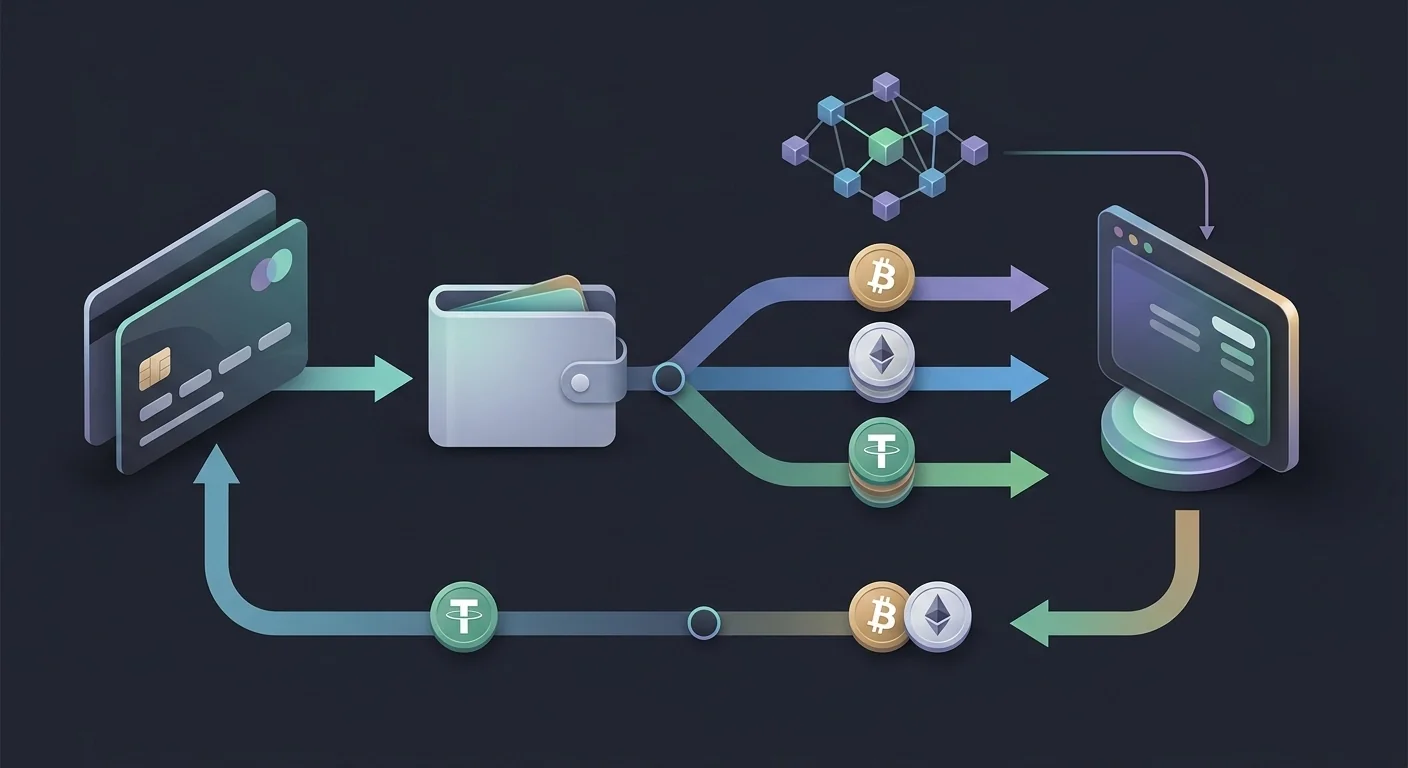
Roobet is strongly associated with cryptocurrency, but the way an account is funded should not be confused with the mathematics or risk of an Original. A crypto-denominated balance can make stakes feel abstract if you think in pounds, especially when the asset price itself moves outside the game.
The Roobet crypto payments handles deposit and withdrawal context. On a house-game page, the useful rule is simpler: translate your intended spend into a unit you understand before a fast session starts, and avoid letting the currency format obscure the amount at risk.
A practical checklist for choosing an Original
Start by identifying the decision the game repeatedly asks you to make. If it is timing, Crash is the clearest example. If it is sequential stop-or-continue choices, Mines or Towers fit better. If you prefer a simple probability threshold, Dice is closer to that style. If you want a familiar wheel frame without a live dealer, house roulette occupies that space.
Then check pace. Watch several rounds without betting and estimate how often a fresh wager opportunity appears. A game that looks calm can still be very fast. Finally, decide a session boundary before playing. That can be time-based, spend-based or both. The point is not to manufacture an advantage. It is to prevent the game loop from deciding the length of the session for you.
Avoid any approach built on guaranteed wins, streak reading or recovery betting. None of those turns a house game into a predictable income tool.
Who will actually get value from Roobet Originals
Roobet Originals are most relevant to players who prefer direct mechanics, rapid feedback and a clear decision loop over long slot features or dealer-led presentation. The range has genuine brand identity because Crash, Mines, Dice, Towers and house roulette sit apart from the third-party catalogue.
They are less suitable if fast repetition makes it difficult for you to keep track of total wagering or if you prefer games with natural pauses. The useful choice is not a universal “best” Original, but the mechanic that fits your preferred pace and a session boundary set before the first round.
Prepared by the Roobet Casino editorial staff.